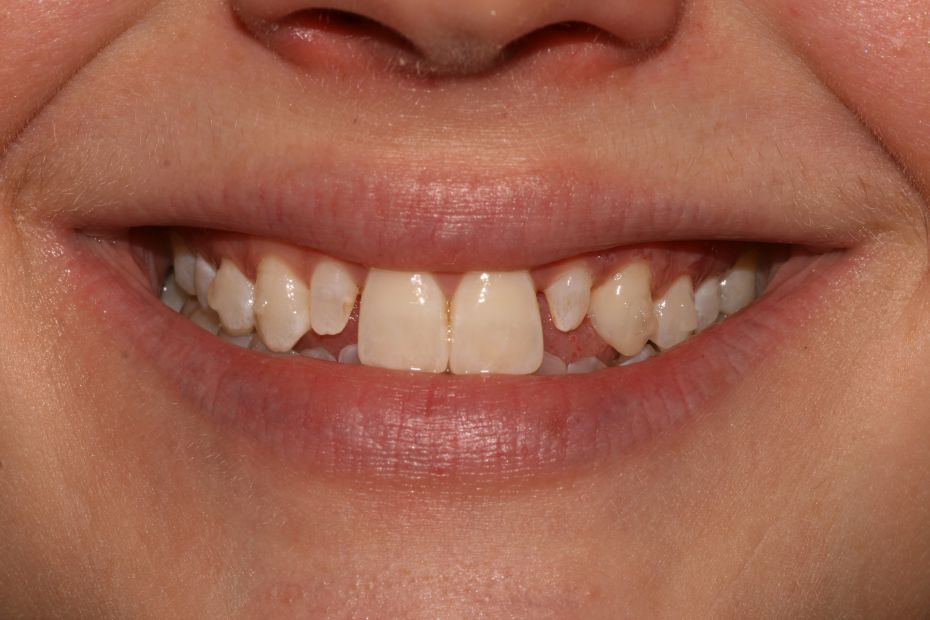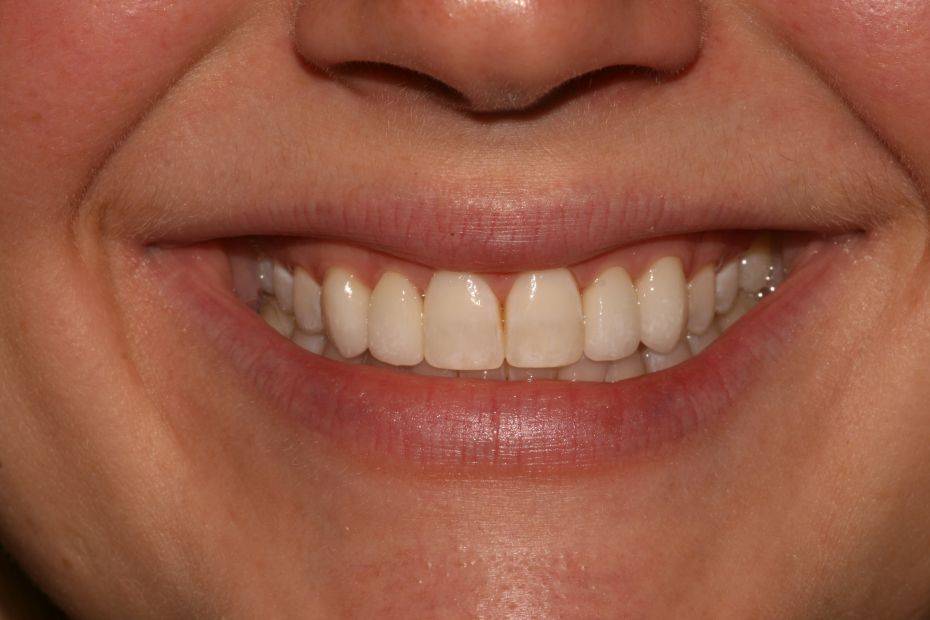
Most patients who lose a tooth think about the gap. What they see in the mirror, whether it affects their smile, whether others will notice. These are real and valid concerns. What most of them don’t think about — because no one has explained it clearly — is what is happening invisibly, systemically, and structurally from the moment a tooth is gone and not replaced.
The health consequences of missing teeth extend well beyond aesthetics, and they begin accumulating faster than almost any patient realizes. At 19th Street Dental in Atlanta’s Atlantic Station neighborhood, Dr. Trushar Patel, Dr. Tammy Zeineddin, and Dr. Romi Park have spent over 16 years helping Midtown Atlanta patients understand the full picture of dental health — not just the appearance of their smiles but the clinical reality of what their teeth are doing (or failing to do) for their overall wellbeing. As the only dental practice recognized as an official Associate Partner of the Atlanta Falcons, 19th Street Dental has built its reputation on comprehensive, patient-centered care that goes further than the surface.
Here is what missing teeth are actually doing when they go unreplaced.
The Jaw Is Already Losing Bone
This is the fact that changes how patients understand the urgency of tooth replacement, and it begins within days of an extraction. The bone of the jaw maintains its density and shape in response to the mechanical stimulation it receives from the pressure of biting and chewing, transmitted through the tooth root into the surrounding bone. When the tooth is gone, that stimulation stops. The bone at the extraction site begins resorbing — shrinking in height and width — immediately.
Within the first year, bone volume loss at an untreated extraction site averages approximately 25% — a quarter of the bone in that area, in twelve months. Over the following years, this resorption continues, with cumulative losses that eventually alter the external contour of the jaw and create the sunken, aged facial appearance associated with significant tooth loss and long-term denture wear.
This is why the recommendation to replace a missing tooth is made with time-sensitivity in mind. A dental implant placed within months of extraction is placed into bone that is still abundant and well-structured, with straightforward healing and integration. The same site evaluated two or three years later may require a bone graft before implant placement is even possible — because the bone that would have anchored the implant has partially disappeared.
Adjacent and Opposing Teeth Shift — and the Entire Bite Changes
Teeth maintain their positions in relationship to each other. When a tooth is removed from the arch, the teeth on either side of the gap experience reduced resistance and begin to drift toward the empty space. The tooth in the opposing arch — above or below the gap — no longer has a biting partner to keep it in position and begins to erupt, gradually elongating into the space.
These movements are slow enough that most patients don’t notice them as they occur. Over months and years, they produce bite changes that affect how the remaining teeth contact, how the jaw closes, how chewing forces are distributed across the dental arch, and — because the temporomandibular joint is at the center of all of this — how the jaw joint itself functions. Bite changes from tooth loss can contribute to the TMJ symptoms, headaches, and jaw soreness that patients then attribute to stress or posture rather than to the dental change that initiated the cascade.
Missing Teeth Are Directly Connected to Your Systemic Health
The connection between oral health and systemic disease has been established by decades of research — and the specific data on tooth loss as a systemic health marker is striking.
Studies have found that individuals with significant tooth loss have higher rates of cardiovascular disease, type 2 diabetes, and cognitive decline compared to those who maintain their dentition. While these associations are complex and involve multiple contributing factors, the inflammatory load of chronic dental disease, the nutritional changes that accompany difficulty chewing, and the documented cardiovascular effects of periodontal disease all contribute to a picture in which the mouth is not isolated from the rest of the body’s health.
The nutritional dimension is one that patients rarely consider: missing back teeth — the molars that do the majority of chewing work — reduce the ability to properly process high-fiber foods, fresh vegetables, and meats. Patients who have lost multiple posterior teeth often adapt their diet toward softer, more processed foods — precisely the dietary pattern associated with increased cardiovascular and metabolic risk. The tooth loss drove the dietary change, and the dietary change drove the health consequence.
Dental Implants Are the Only Replacement That Addresses the Root Cause
This is the clinical argument for implants over bridges and dentures that most patients haven’t heard stated plainly. Bridges span the gap with a false tooth suspended between two crowned adjacent teeth. Dentures rest on the gum surface. Both replace the visible tooth. Neither replaces the root function that signals bone to maintain itself.
A dental implant integrates with the jawbone, transmitting chewing force through the titanium post into the bone exactly as a natural root does. This stimulation preserves bone volume at the implant site, preventing the resorption that every other replacement option allows to continue. For patients missing multiple teeth, or anticipating future tooth loss from periodontal disease or decay, the bone preservation argument for implants over other options is the most clinically significant reason to make the investment.
At 19th Street Dental, Dr. Patel, Dr. Zeineddin, and Dr. Park evaluate each patient’s full oral health picture — using their 3D CT imaging to assess bone volume, adjacent tooth health, and implant site anatomy before making any recommendation. The goal is a treatment plan that addresses what is actually happening, not just what is visible on the surface.
Don’t Wait for It to Hurt
The final point is one that applies to virtually every condition discussed above: none of these processes are painful until they have advanced significantly. Bone loss doesn’t hurt. Adjacent teeth drifting doesn’t hurt. Early bite changes don’t hurt. The patient who is waiting for a symptom that will signal when it’s “time” to address a missing tooth is waiting for a signal that may not arrive until the situation has become considerably more complex.
The patients at 19th Street Dental who arrive with long-standing missing teeth and ask what can be done typically receive honest, thorough answers — and the news is not always as simple as it would have been earlier. The appointment that addresses the missing tooth now is almost always simpler, less expensive, and more predictable than the one that addresses what the missing tooth has allowed to develop.
Schedule Your Implant Consultation at 19th Street Dental
19th Street Dental is located at 232 19th Street NW, Suite 7200, in Atlanta’s Atlantic Station neighborhood — convenient for patients throughout Midtown, Buckhead, Westside, and Brookwood. Early morning appointments are available, and the practice accepts most insurance plans. Call (404) 567-8900 to schedule your consultation. The jawbone you protect today is the foundation for every treatment option that remains available to you tomorrow.
Posted on behalf of
232 19th Street, Suite 7200
Atlanta, GA 30363
Phone: (404) 567-8900
Email: [email protected]